
Why Debt Feels So Heavy (Even When the Numbers Aren’t)
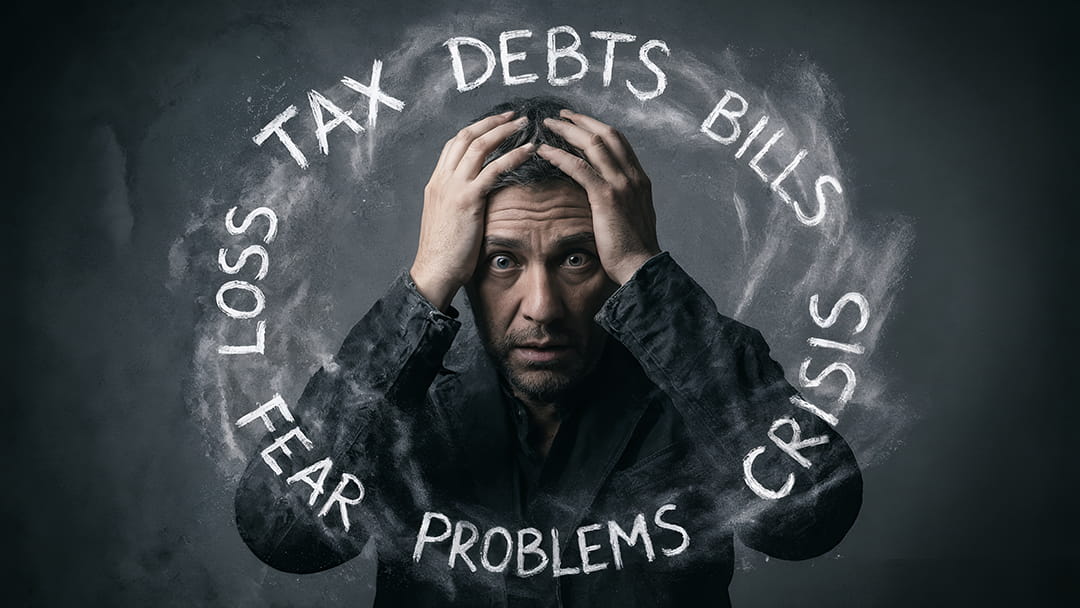
Debt is rarely just about money. Many people come to us at Westfield Financial Solutions feeling overwhelmed, anxious, or even ashamed about their debt, despite the figures on paper looking manageable. That heavy feeling comes from the emotional load debt carries with it – constant mental arithmetic, fear of opening letters, sleepless nights, and the quiet worry that you’ve somehow “failed”. Debt has a way of occupying headspace far beyond its financial impact, turning into a background stress that affects confidence, relationships, and decision-making, even when repayments are technically affordable.
How Stress, Avoidance, and Shame Keep People Stuck
When debt feels emotionally uncomfortable, the brain naturally looks for ways to escape that discomfort. For many, this shows up as avoidance – not checking balances, ignoring statements, or delaying decisions. Shame often adds another layer, convincing people they should have known better or that asking for help is a sign of weakness. Unfortunately, stress, avoidance, and shame create a perfect loop: stress makes the situation feel urgent and scary, shame makes it feel personal, and avoidance stops progress. Over time, this emotional cycle can do more damage than the debt itself, leading to missed opportunities, poor financial choices, and a sense of being trapped.
Why Budgeting Fails When Emotions Aren’t Addressed
Traditional budgeting advice often assumes that people make calm, logical decisions about money. In reality, most financial choices are made under emotional pressure. If debt is already causing stress or guilt, even the best-looking budget can feel restrictive, punishing, or unrealistic. This is why many people “fail” at budgeting – not because they lack discipline, but because the emotional drivers behind their spending and saving haven’t been acknowledged. A sustainable debt plan needs to feel supportive, not shaming, and flexible enough to work with real life, not against it.
A Healthier Way Forward
Understanding the psychology of debt is often the turning point. When you stop seeing debt as a personal flaw and start seeing it as a situation that can be managed with the right support, the emotional weight begins to lift. At Westfield Financial Solutions, we believe that effective debt management starts with clarity, compassion, and realistic planning. When emotions are addressed alongside the numbers, people don’t just reduce debt – they regain control, confidence, and peace of mind.
0 Comments